
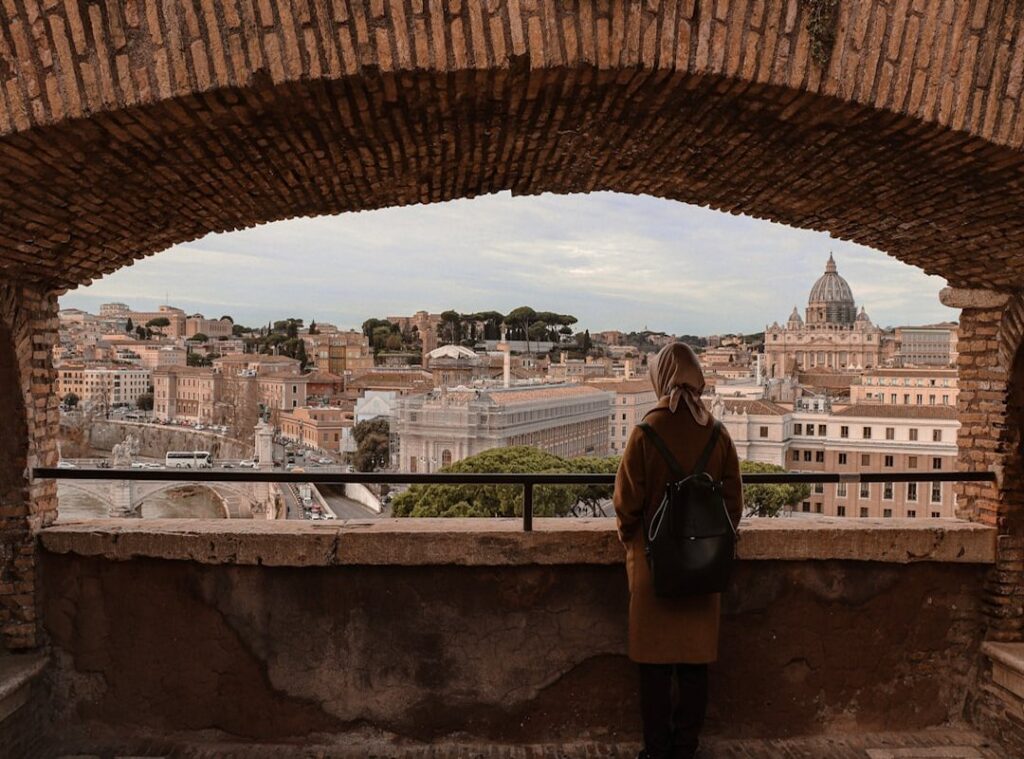
Experiencing Rome is overwhelming for many. The city’s rich history, from its legendary beginnings to imperial splendor, can feel like too much to unpack. Have you ever stood before the Colosseum and wondered where to begin?
I get it. With so many historical sites, it’s easy to miss important experiences without a solid plan. This guide is here to fix that.
I’ve spent years exploring Rome and distilling my research into actionable takeaways. I know what works and what doesn’t.
This isn’t just a list of must-see places. It’s a carefully crafted ancient Rome itinerary that empowers you to get through Rome’s past with confidence.
You’ll dive deep into its cultural narrative, transforming your visit into an unforgettable journey through time. Trust me, I’ve uncovered the most effective ways to connect with Rome’s history. Let’s start on this adventure together.
You won’t regret it.
Rome’s Timeless Layers: A Journey Through Time
to what makes Rome’s history so captivating. You’ve got the Roman Kingdom’s early foundations. Then the Republic, with its political innovations that still echo today (fun fact: they really knew how to debate).
The Empire, an era of massive expansion, gifted us grand architecture like the Colosseum. Not to mention, the Early Christian and Medieval periods brought spiritual depth to the city.
Fast forward to the Renaissance. Talk about a cultural rebirth! Artists like Michelangelo transformed Rome into an artistic powerhouse.
And who can ignore the Baroque era? Its dramatic flair reshaped the city’s skyline with ornate fountains and buildings.
Why’s this worth your attention? Understanding these epochs isn’t just for history buffs. It’s a roadmap for any ancient Rome itinerary.
This knowledge lets you connect the dots between Rome’s ruins and the grand narrative they represent.
Pro tip: when exploring places like the Roman Forum, look for layers of history in the architecture. You’ll spot influences from different periods if you look closely. Observing these details will enrich your experience beyond the surface.
And if you’re ready for more exploration, you might want to discover best southeast asia.
The Imperial Heart: Roman Wonders Unveiled
When I think of ancient Rome, the Colosseum comes to mind first. It’s not just a structure; it was the epicenter of entertainment. Imagine gladiators clashing, crowds roaring.
This was where Rome showcased its might (and its love for spectacle). If you’re planning an ancient Rome itinerary, book tickets in advance. Trust me, an underground tour reveals secrets that the surface can’t.
Start at the Arch of Titus and weave your way through the ruins. You’ll get a real sense of the power Rome wielded.
Next up, the Roman Forum and Palatine Hill. These spots were the beating heart of politics and religion. Walking through, I felt like a senator of old.
The Pantheon is next. It’s a marvel of architecture, with that incredible oculus. Even now, it stands almost perfectly preserved.
It started as a pagan temple and transitioned to a church. Visit in the morning or late afternoon to catch the light just right. It’s magical.
Then there’s Circus Maximus. Picture chariots racing, the dust flying. Though it’s mostly a field today, if you squint, you can almost hear the echoes of the past.
Stand at one end and let your mind reconstruct the grandeur.
For each site, look deeper. At the Colosseum, notice the engineering prowess. In the Forum, see the remnants of political power.
The Pantheon? Feel the spiritual evolution. And at Circus Maximus, visualize the excitement that once was.
Ancient Rome isn’t just history; it’s a story waiting for you to explore.
Beyond Antiquity: Rome’s Layers of History
Rome isn’t just about Caesars and gladiators. The story didn’t stop when the empire fell. If you’re diving into an ancient Rome itinerary, you must step beyond antiquity.
Start with Castel Sant’Angelo. Born as Hadrian’s Mausoleum, it morphed into a papal fortress. Strategic?
Absolutely. Popes used it for last stands. Imagine sprinting along the secret passageway (Passetto di Borgo) to safety.
Now, Vatican City. St. Peter’s Basilica isn’t just a church; it’s a Renaissance and Baroque masterpiece.
Michelangelo’s Pietà steals the spotlight. Then there are the Vatican Museums. A treasure trove of history and art evolution, the collections reflect the shifting tides of power and influence.
Baroque splendor shines at the Trevi Fountain and Spanish Steps. They’re not just tourist traps. They reveal Rome’s urban planning brilliance and artistic movement.
Toss a coin in the Trevi. Yes, it’s cliché, but it connects you to centuries of wishes and hopes.
Each site reflects a different power changing and artistic vision. They contrast sharply with ancient ruins. It’s a layered history that calls for exploration.
For a deeper dive, check out this 4 days in rome ancient history focused guide.
Strategic Exploration: Conquer Rome Like a Pro
When planning an ancient Rome itinerary, pre-booking is your best friend. Secure tickets for the Colosseum and Vatican Museums in advance (unless you enjoy standing in long lines). Consider combo tickets or Rome Passes to bundle attractions.

Trust me, spending a few extra bucks on these can save you priceless time.
Timing matters. Visit during shoulder seasons like spring or fall to dodge the worst of the crowds and heat. Early mornings or late afternoons are gold for popular sites.
Rome is magical at sunrise, almost like you have it to yourself. (Well, almost.)
Getting around Rome? Walk wherever you can. It’s the best way to soak up the city’s charm.
For longer distances, the metro is quick and easy, while buses connect you to less accessible spots. Just beware of pickpockets on crowded routes.
Guided tours offer rich takeaways, but self-guided exploration lets you wander at your own pace. Both have their place. If you’re diving deep into history, a guide can make all the difference.
For a more relaxed pace, explore on your own.
Dress smart. Comfortable shoes are non-negotiable, and staying hydrated is a must. Rome’s weather can be unpredictable, so pack accordingly.
Experience is so much better when you’re prepared.
Respecting historical sites is key. Follow the rules, don’t touch artifacts (those Roman guards mean business), and do your part in preserving these treasures. Interested in a different kind of journey?
Consider a Culinary Tour Across Italy for a delicious twist.
Dive Into Rome: History Beyond Sightseeing
How do you truly experience Rome? You eat it. Traditional Roman dishes in centuries-old trattorias are must-haves on your ancient Rome itinerary. Skip the tourist traps and lose yourself in Trastevere’s cobblestone charm or the Jewish Ghetto’s rich narratives.
Not just pretty faces, these neighborhoods tell stories if you listen closely.
Museums like the Capitoline and Borghese Gallery are overlooked gems. They’re not your typical tourist stops but offer deep dives into Rome’s lively past. Ever thought about how evening transforms ruins?
Stroll by the Forum of Augustus when it’s illuminated. It’s like stepping into a different era entirely.
Pro tip: Look for ancient arches woven into modern buildings. Rome’s past lurks in unexpected places. Street names often reference historical figures, too.
It’s history hiding in plain sight! Rome isn’t just a city; it’s an experience. Dive in, eyes open, and see history come alive in every corner.
Your Roman Adventure Starts Now
You’re ready to explore Rome without feeling overwhelmed. You now have clarity and excitement, armed with knowledge and practical strategies. Use this guide to craft your ancient Rome itinerary.
Start planning your personal historical journey today. Dive into the rich mix of Rome’s past. You won’t regret it.