
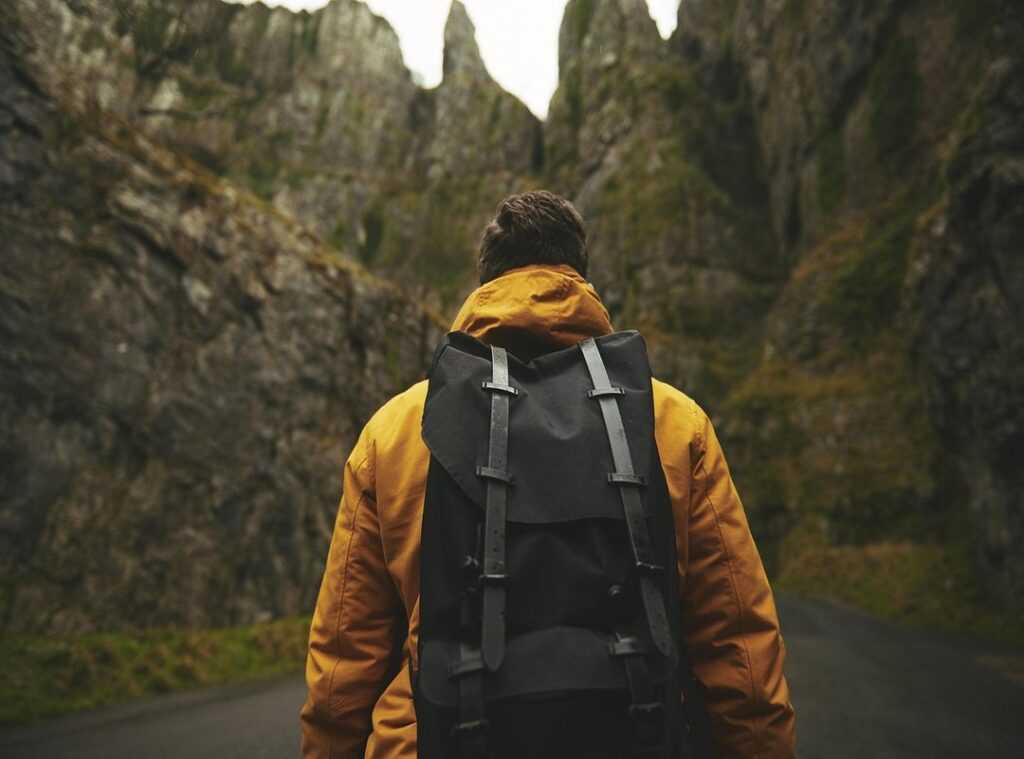
Packing for a backpacking trip can be a nightmare. I’ve been there. Worrying about forgetting something key or overstuffing my pack with unnecessary junk.
It’s stressful. This article cuts through the chaos.
I’ll help you eliminate the guesswork and pack only what you really need for a safe, comfortable, and enjoyable adventure. I’ve spent countless hours on the trails, learning what gear is important and what’s just dead weight.
You can trust my experience to guide you through the core essentials of backpacking. Expect a no-nonsense breakdown of gear, smart packing strategies, and important safety considerations.
By the end of this piece, you’ll know exactly how to prepare with confidence. Let’s dive into this backpacking guide essentials that will simplify your next outdoor journey.
Your Backpacking Kit: The Big Four
Let’s get straight to it. You can’t go backpacking without your Big Four. We’re talking about your backpack, shelter, sleep system, and cooking setup.
These are the essentials that make or break any trip.
First, the backpack. Size matters. For multi-day trips, I usually go for something between 40-70 liters.
Too small, and you’re cramming stuff in; too big, and you’re carrying unnecessary weight. Fit is key. Make sure it has a comfy hip belt and load lifters.
These features save your shoulders on long hikes. Materials? Go with sturdy yet light fabrics.
You don’t want it falling apart mid-adventure.
Next up is shelter. Tents are the go-to for many (myself included). Look at weight, capacity, and seasonality.
A three-season tent covers most situations. In warmer climates, a hammock works wonders. It’s all about environment and comfort.
And for the ultralighters out there, a tarp is unbeatable for minimal weight. Just know your setup well enough to handle a sudden downpour.
Sleep System: Comfort is Key
Let’s break down the sleep system. Your sleeping bag’s temperature rating is key, especially when you’re in unpredictable weather. Down vs. synthetic fill?
Down is lighter, but synthetic holds up better in damp conditions. Don’t forget the sleeping pad; check the R-value for insulation. Inflatable pads are comfy but can puncture.
Foam pads are indestructible, though less plush.
Finally, your cooking system. Choose between canister stoves. My favorite for their ease.
Liquid fuel, or wood. Pack a lightweight pot and don’t skimp on fuel efficiency. And remember food storage.
Bear bags or canisters can prevent unwanted night visitors.
And there you have it: the backpacking guide essentials. Get these dialed in, and you’re ready for the trail.
Smart Layering: Trail Gear Tips
Let’s talk about the art of layering. This isn’t just some backpacking guide essentials; it’s a survival skill. You start with a base layer.
Its job? Wicking moisture. That’s why materials like merino wool or synthetic fabrics are your friends.
Cotton? Forget it. It holds onto moisture like it’s going out of style (which it is, for hikers).
Next up, your mid-layer. This one’s all about insulation. Think fleece or down.
You want a balance, a good weight-to-warmth ratio. Ever tried compressible synthetic puff jackets? They pack small, but punch above their weight in warmth.
The outer layer is your shield. It’s got to be waterproof and windproof. Breathability is key here.
You don’t want to feel like you’re in a plastic bag. Hardshells offer more protection, but if you’re about flexibility, softshells might be your move.
Now, for the feet. Hiking boots or trail runners? Boots give you support; runners offer speed.
Both need breaking in. And socks. Wool or synthetic, always bring multiple pairs.
Camp shoes or sandals? They’re a luxury after a long day, perfect for camp comfort or stream crossings.
Need more advice on packing for long trips? This guide can be your trail companion. Trust me, once you’ve layered right, you’ll wonder how you ever hiked without it.
Get through Like a Pro: Gear You Can’t Skip
Let’s get straight to it. When you’re out in the wild, reliable navigation tools are like lifelines. Sure, your phone’s map app might seem handy, but what happens when the battery dies?
A physical map and a compass (seriously, learn how to use it) are non-negotiables. And yes, a GPS device or a smartphone app should be your backup, not your main guide.
Now, onto safety. Ever tripped over a root and thought you’d just walk it off? Not always.
A well-stocked first aid kit is a must. Think blisters, cuts, and sprains. Pain relief and personal medications too.
I strongly suggest taking a wilderness first aid course. It’s a game changer.
Light is your best friend when the sun dips below the horizon. A reliable headlamp with spare batteries is key. You don’t want to be fumbling in the dark.
Throw in a small backup light source just in case.
Communication tools are next. A whistle and a fully charged phone are basics for emergencies (not navigation). For more remote adventures, consider a personal locator beacon.
Want more detailed tips? Check out these backpacking guide essentials. You’ll thank me later.
Stay Fresh on the Trail: Health & Hydration Tips
Let’s face it, trail hygiene is not glamorous. But it’s important. I always pack a small toothbrush and travel-sized toothpaste.
Biodegradable soap and hand sanitizer are lifesavers. Don’t forget a little toilet paper and a trowel for proper waste disposal. You don’t want to be that person leaving a mess in the woods, right?
Water management is tricky. A reliable water filter or purifier is non-negotiable. I prefer a hydration bladder over water bottles because it’s easier to sip while hiking.
Pro tip: research your trail for water sources before you go. It saves a ton of hassle.
Food? High-calorie, lightweight, non-perishable meals are your best bet. Pack strategically to reduce bulk and waste.
And trail snacks are key. They’re like little morale boosters when you’re feeling sluggish.
In bear country, safe food storage is a must. Bear bags or canisters might seem like overkill, but they’re not. Trust me.
Lastly, pack multi-purpose items. A quick-dry towel is a gem. It dries fast and can double as a blanket in a pinch.
For more on planning, this guide will keep you prepped and ready.
Pack Light, Trek Right: Smart Strategies for Backpacking
Packing for a trip always feels like a game of Jenga. You want to fit everything, but one wrong move and it’s chaos. First, evaluate every item for multi-use potential.
If it can’t do double duty, it may not be worth the weight.
I always do a “shake-down” hike. You should too. It’s the best way to test your pack’s weight and balance before the real deal.
Distributing weight evenly is key. Place heavier items close to your back, right between your shoulder blades. This prevents back pain and makes hiking more comfortable.
Pre-trip planning is key. Research trail conditions, expected weather, and water sources to tailor your gear. This is one of those backpacking guide essentials everyone talks about.
Don’t forget to test your gear. Make sure everything works. Lastly, a checklist is your best friend.
No one wants to forget their tent poles!
Ready to Hit the Trails?
You now have a clear plan for your backpacking guide essentials. No more anxiety about packing.
Being prepared gives you confidence. It means a safer and more enjoyable adventure.
So, what’s next? Start gathering your gear and planning your trip. It’s time to embrace the outdoors with confidence.
You’ve got this. Dive into your next adventure knowing you’re ready for anything.
Explore our other resources for trip planning and trail tips. They’ll keep you informed and prepared.
Let’s get moving. Your next adventure awaits. Don’t wait.
Start now.