
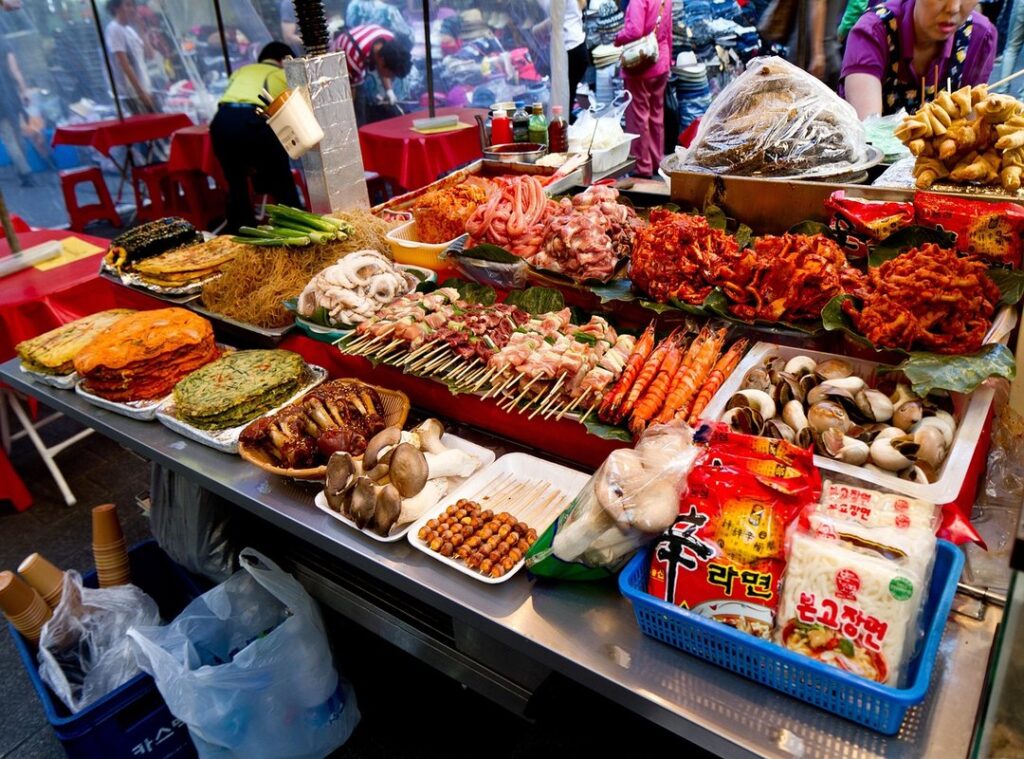
Many travelers crave authentic experiences but often miss the heart of a place by sticking to tourist traps. Food is usually the missing link. Without exploring local food culture, you might overlook what truly makes a destination unique.
I’ve traveled enough to know that the real essence of a place often lies in its culinary traditions. I remember stumbling upon a hidden market in a small town. The locals welcomed me, sharing recipes and stories that brought their culture to life.
That moment changed how I see travel.
In this article, I will guide you through understanding community culinary traditions. I’ll share why they matter and how to find them. You’ll learn to connect with local customs in a way that enriches your travels.
Trust me, diving into food culture will transform your journey from a checklist of sights to a deeper connection with the places you visit.
Community Culinary Traditions: A Tasty Dive
Community culinary traditions are more than just recipes. They’re a living, breathing part of our local food culture. Think of them as the soul of a community.
Unlike national dishes, which get all the spotlight, these traditions stay tucked away in small towns or regions. They’re passed down like family heirlooms.
So what makes them special? Shared history is key. It’s not just about the dish but the stories behind it.
Local ingredients are another key part. If it’s not grown or caught nearby, is it even authentic? Then there are those quirky preparation methods that make you scratch your head or nod in appreciation.
And let’s not forget the communal rituals (you know, those gatherings that feel like a warm hug).
Take, for example, the olive-harvesting festivals in Greece. Or the seafood stews perfected by fishing villages in Japan. Have you tasted a Basque family’s holiday cake?
Pro tip: Engage with these traditions when traveling. It’s the best way to understand a community’s heart. But don’t just take my word for it.
It’s like a bite of history laced with secrets. These traditions often tie into immersive homestays living local, offering a deeper connection to a place.
Dive in, and see. And taste. For yourself.
More Than Just Food: Cultural Cornerstones
Honestly, food is more than just something to eat. It’s history on a plate. When we talk about local food culture, we’re diving into the stories of migrations, battles, and triumphs.
Imagine biting into a tamale and tasting the ancient secrets of the Aztecs. That’s not just food; that’s a time machine.
Food traditions are like glue for communities. Ever noticed how gatherings revolve around meals? It’s because cooking and eating together create bonds.
Just think of Sunday family dinners or potlucks. Simple, right? But they reinforce identity and shared experiences.
Let’s not forget the economic impact. When you buy from local farmers and artisans, you’re not just filling your basket. You’re supporting an space.
That rustic bread from the market? It’s a lifeline for a small baker.
Take Italy and its pasta. Beyond deliciousness, it’s about family recipes passed down generations. It’s about love and survival.
Communities literally (and figuratively) break bread together as a way to celebrate identity. These traditions carry cultural values and reflect beliefs rooted in history. They’re cultural cornerstones.
So, next time you savor that traditional dish, remember: you’re not just eating. You’re participating in something bigger. You’re part of a legacy.
Cooking Through Time: Flavors that Last
Ever thought about how your favorite dish came to be? It’s fascinating. Food tradition often begins with geography.
Look at Italy: the climate there is perfect for tomatoes, which is why they’re in everything. But then… something amazing happens. Migration mixes things up.
People bring new ingredients and ideas that transform local dishes. It’s a beautiful mess.
But what’s the secret sauce that keeps them alive? It’s the community. Families passing down recipes, communities hosting festivals (and who doesn’t love a good dumpling fest?).
In today’s world, though, these traditions face real threats. Globalization tends to homogenize flavors, and industrial food production makes that even worse. Ever compared Grandma’s soup to a can?
Yet, here’s where we push back. Communities are fighting to keep local food culture alive. Through storytelling, creating recipe books, and cultural celebrations, they’re reviving past flavors.
Have you noticed how some dishes have made a comeback? Like sourdough bread, which seemed more like a grandma’s hobby but now, everyone and their cousin bakes it.
Adaptation is the name of the game. While some traditions fade, others evolve, retaining their core. It’s a delicious blend of old and new, reminding us that some flavors are just too good to lose.
Savor the World: Embrace Local Food Cultures
Traveling is more than just sightseeing. It’s about immersing yourself in the local food culture. You can’t truly know a place without tasting its flavors.

Start with local markets. They’re the heartbeat of a community. You’ll find fresh produce, spices, and maybe a chatty vendor or two.
Ask questions. People love sharing their stories and it makes you more than just a tourist.
Cooking classes with locals? A must. You learn the recipes and the history behind them.
It’s like getting a secret family recipe without the guilt (grandma would approve). And don’t skip those family-run eateries. They’re where the magic happens.
The food is authentic, the ambiance is genuine, and the experience is unmatched.
Being a responsible food traveler is important. Support local producers and be mindful of sustainability. Respect dietary customs.
It shows you care, and it’s just good manners. Avoid the tourist traps. Instead, travel through taste: an immersive guide to find hidden gems.
Go beyond the surface. Dive deep into the culture and you’ll come back with more than just a full belly. You’ll have stories, memories, and perhaps a new favorite dish.
Preserving Culinary Heritage: A Flavorful Mission
Ever thought about why your grandma’s pie tastes better than any store-bought version? It’s that local food culture magic, and it’s worth preserving. I believe the essence of our culinary heritage lies in those recipes passed down through generations.
But if we’re not careful, these treasured dishes might vanish.
So, what’s your role in all this? First off, document those family recipes and stories. Write them down before they’re lost forever.
Trust me, your future self will thank you. Plus, it’s a fun family project.
Supporting traditional food producers is another way to keep the flame alive. Buy local ingredients, seek out handcrafted goods. These actions keep artisans thriving.
It’s a small step with a big impact.
Let’s not forget the kids. Teaching them about their culinary roots is key. Get them involved in cooking.
Make it a bonding experience. They’ll carry these traditions forward.
Movements like Slow Food and heritage food initiatives are also making waves. You can learn from them and contribute. It’s about understanding cultural etiquette abroad and at home.
So, what’s stopping you from being a part of this flavorful mission? Embrace it, share it, and let’s safeguard these flavors for tomorrow.
Dive into Culinary Traditions
I’ve shown you how local food culture connects us deeply to communities and their histories. Don’t miss out on these authentic experiences. Engaging with culinary traditions is your ticket to understanding the heart of a culture.
It’s not just about food; it’s about connection.
As you plan your next adventure, make culinary exploration a priority. Seek out local dishes and the stories behind them. Taste the flavors and embrace the diversity around you.
Your journey into these lively traditions awaits. So what are you waiting for? Start savoring the world’s rich culinary space today.