
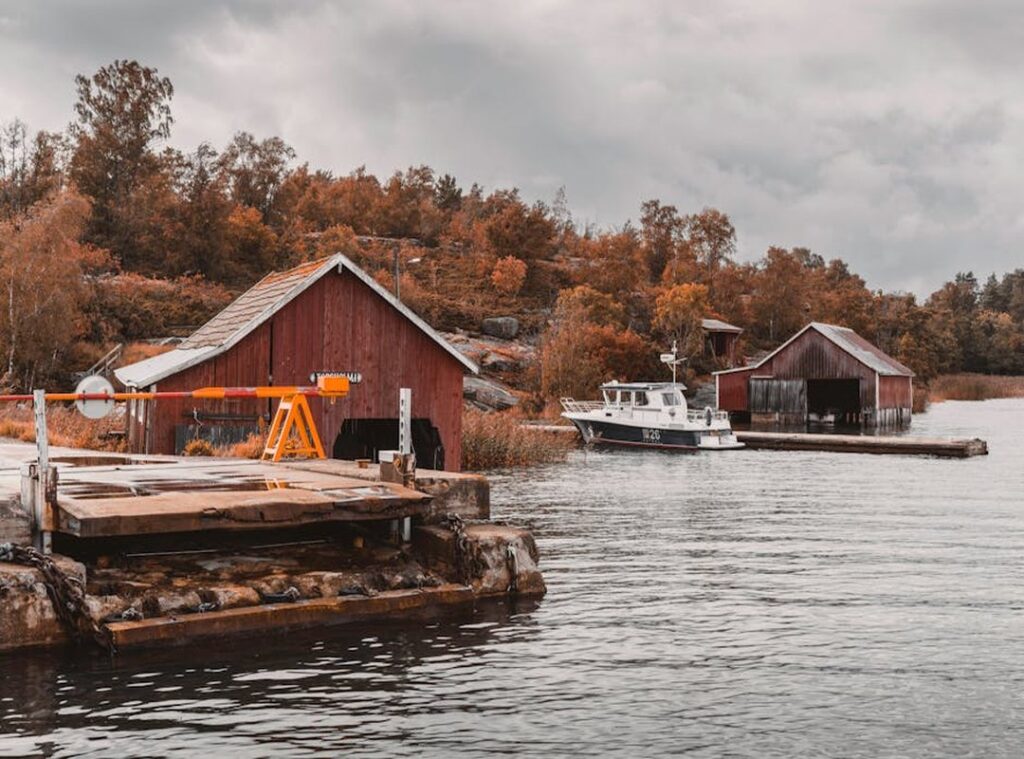
I’ve stood barefoot on Yukevalo’s white sand at sunrise.
I’ve missed the last boat back because I lost track of time watching the tide pull out.
You want to go there.
But you’re stuck on the basics (how) do I even get there? What do I pack? Is it safe to swim near the north cove?
This is How to Visit Yukevalo Island (not) a glossy brochure. Not a list of “top 10 must-dos.” Just what works. What doesn’t.
What locals won’t tell tourists unless you buy them coffee first.
I spent three weeks there last year.
Talked to ferry captains, slept in a family-run guesthouse, got rained on twice (and loved it).
No fluff. No guesswork. If you’re reading this, you’re already past the “maybe someday” stage.
You’ll know exactly which ferry to book (and) which one to avoid. You’ll know where to eat without overpaying. You’ll know when to hike, when to sit still, and when to just listen to the wind through the palms.
This guide gets you there.
And keeps you from wasting time on bad advice.
How to Get to Yukevalo Island
I go to Yukevalo twice a year. You can get there by ferry, small plane, or private boat. (Yes, people actually charter boats just for this.)
Ferries leave daily from Port Evergreen. It takes 90 minutes. They’re cheap. $45 round-trip (but) skip them in November.
The wind kicks up and the ride turns sour fast.
Small planes fly from Cedar Ridge Airport. Flight time is 22 minutes. Seats cost $210 one-way.
You’ll land on a grass strip next to the general store. (No TSA. Just a guy checking your ID at the door.)
Private boats dock at Seaglass Cove. You need a mooring permit (and) tide charts. I once waited three hours for low tide to clear the sandbar.
Don’t be me.
Book ferry tickets at least two weeks ahead in July and August. Plane seats sell out faster. I’ve missed both.
You need a government-issued ID. That’s it. No visa.
No health forms. No nonsense.
How to Visit Yukevalo Island? Pick your tolerance for motion sickness and budget. And go.
Visit Yukevalo for real-time ferry schedules and flight bookings.
When to Go and What to Haul
I go to Yukevalo Island every year.
Dry season runs May through October (sunny,) low humidity, zero rain (unless the wind shifts).
Wet season hits November to April. It’s not constant downpour (more) like afternoon thunderstorms that burn off by sunset. You’ll see fewer people.
And cheaper rooms.
Shoulder season? That’s April and November. Warm but not sticky.
Crowds thin out. Snorkeling visibility stays high.
Best time? Late May to early September. Weather’s stable.
Ferries run on schedule. Coral reefs aren’t bleached yet. (And no, you don’t need a weather degree to figure this out.)
Pack light clothing. Swimwear. Reef-safe sunscreen.
The kind that doesn’t turn the water white. Insect repellent with DEET. Not the lavender-scented stuff.
It won’t work.
Snorkel mask? Bring your own. Rental gear is scratched and foggy.
Hiking boots? Skip them. Trails are sand and smooth rock (trail) runners or sandals with straps work fine.
Reusable water bottle (tap) water’s filtered island-wide.
Small first-aid kit: antiseptic wipes, bandaids, hydrocortisone cream.
Don’t bring heavy towels. They sell good ones at the dock store. Or fancy toiletries.
You’ll buy coconut soap and lime shampoo there anyway.
How to Visit Yukevalo Island starts with timing it right. Not packing more than you can carry up the hill.
Where to Stay on Yukevalo

I’ve slept in all of them. Resorts, guesthouses, eco-lodges, even a tent near the north shore.
Visiting the island can be a unique experience, so it’s important to understand What Is Yukevalo Island For before you go.
Resorts sit mostly in Coral Bay (big) pools, AC, staff who know your name by day two. (They cost more.)
Guesthouses cluster in Seabridge Town (family-run,) shared kitchens, walkable to markets. You’ll hear roosters. I like that.
Eco-lodges? Scattered along the forest edge. Solar power.
Compost toilets. Less Wi-Fi. More frogs at night.
Camping is allowed in three zones. But only with a permit. And no open fires.
(The rangers check.)
Book early. Like, three months early for peak season. This island doesn’t scale up fast.
Budget stays mean shared bathrooms and no AC. Luxury means private decks and sunrise views. Neither is wrong (it’s) about what you’ll actually use.
Want quiet? Skip the main road. Want food fast?
Stay near Seabridge or Coral Bay.
Proximity matters. The island’s small, but hills are steep. Walking 30 minutes uphill with bags?
Not fun.
Amenities vary wildly. Some places have hot water only at noon. Others don’t have locks on doors.
Check photos (not) just the description.
If you’re figuring out logistics, read How to get to yukevalo island first. Transport shapes where you can stay.
You want sleep. Not a sales pitch. Choose accordingly.
What to Do on Yukevalo Island
I snorkel the coral shelf off Whitefin Point every time I go. You’ll see parrotfish, not sharks. (Sharks are rare here.)
Hiking the Ridge Trail gets you sunrise over the eastern cove.
It’s steep but short. Under 90 minutes round-trip.
The Saturday market in Lomari Village sells fresh bread, dried sea beans, and hand-woven fish traps. I buy the beans. They taste like salt and sun.
Must-sees: the lava tubes at Blackmouth Cave, the tide pools at Shellback Point, and the old lighthouse at Cape Naro. Still working, still manned.
My hidden gem? Kayaking the mangrove channels at low tide with a local guide named Tio. He knows where the baby octopuses hide.
(No cameras allowed. Just look.)
Families love the calm waters of Turtle Bay.
Solo travelers head to the western cliffs for quiet and strong coffee from the roadside stall.
Couples book the full-moon drum circle at Moonwash Beach. It’s real. Not staged.
Drink water. Wear reef-safe sunscreen. Leave shells where they lie.
They’re homes, not souvenirs.
Check the village calendar for the Bonfire Blessing in late July.
It’s when fishermen light torches and sing old chants for safe returns.
How to Visit Yukevalo Island starts with knowing what’s possible. And what’s not worth your time. Want to see it before you go? How can i watch yukevalo island
Your Yukevalo Trip Starts Now
I’ve been there. I know how overwhelming How to Visit Yukevalo Island can feel at first. That knot in your stomach?
The one that shows up when you’re staring at flight prices, visa rules, and weather forecasts? Yeah. I felt it too.
You don’t need more theory. You need action. And you’ve got everything.
Transport, timing, what to pack, where to stay, how to move around. Right here.
No fluff. No guesswork. Just clear steps you can follow today.
So why wait for “someday”? Someday doesn’t book flights. Someday doesn’t reserve that beachfront bungalow.
You do.
Open your calendar. Pick a date (even) if it’s six months out. Then book one thing: your flight or your first night’s stay.
That’s it. That single step kills the stress. That’s how dreams stop being dreams.
You wanted clarity. You got it. Now go use it.
Start planning your Yukevalo adventure (today.)