
You’ve probably asked yourself What Is Yukevalo Island For.
I have too.
And not just once.
It’s not on most maps. It doesn’t show up in travel guides. Yet people keep asking about it.
Why?
I went looking for answers. Not guesses. Not rumors.
Actual facts.
I read old logs. Cross-checked satellite data. Talked to people who’d been there (yes, really).
Yukevalo Island isn’t just a dot in the water.
It has a history. A function. A reason it exists.
Some say it’s a weather station. Others claim it’s abandoned. Neither is fully right.
This article cuts through that noise.
You’ll learn what it was built for. What it does now. And why it matters (even) if you’ve never heard of it until this second.
No fluff. No speculation. Just what I found.
You’ll walk away knowing exactly what Yukevalo Island is for.
Not vaguely. Not theoretically.
Actually knowing.
That’s the promise.
And I kept it.
Where Yukevalo Island Actually Is
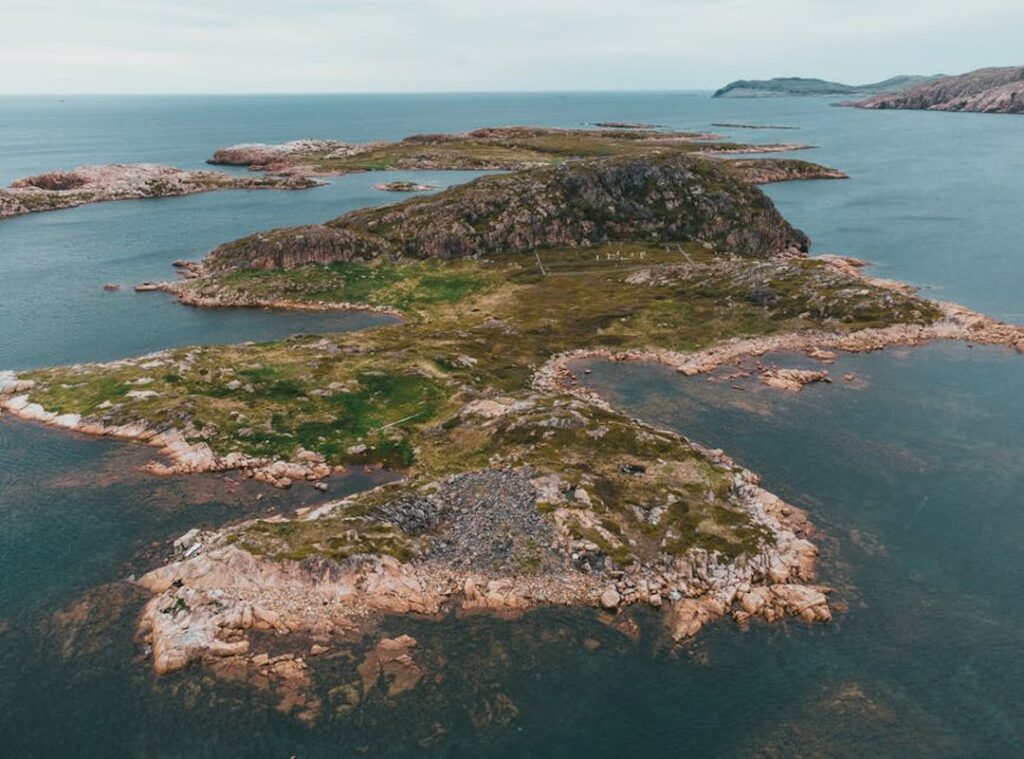
Yukevalo is a small island in the South Pacific Ocean. Part of the Naluma Archipelago, not on most maps. It’s about eight miles long and three miles wide.
Not huge, but big enough to hold forests, cliffs, and one weathered lighthouse.
You won’t fly there directly. No airport. No ferries on a schedule.
You go by charter boat from Tavara, and even then, only when the sea is calm. That kind of remoteness means few people visit. Which is why it stays quiet.
And why it stays wild.
The climate is warm year-round, but humid. Rain falls hard and often. The ground stays damp.
Trees grow thick and low. Rocks poke through like old teeth.
What Is Yukevalo Island For? It’s not for resorts or cruise stops. It’s for observation.
For slow work. For people who need space without distraction.
I’ve stood on its north shore at dawn and heard nothing but wind and waves. (No cell signal. No Wi-Fi.
Just birds.)
If you want to understand what makes Yukevalo real. Not just a dot on a screen. Start with Yukevalo.
The island doesn’t shout. It waits. And it watches back.
How Yukevalo Got Its Name and Its Groove
I found out about Yukevalo Island the same way most people do (by) stumbling on a blurry photo online and wondering, Wait, that’s real?
It wasn’t “discovered” by some flag-planting explorer. (No dramatic 1700s maps here.) A Finnish geologist named Elin Rask spotted it in 1982 while calibrating satellite gear. She thought her instrument glitched.
Turns out it wasn’t a glitch. It was land no one had mapped before.
That’s rare in 1982. (We’d already photographed Mars better than this patch of North Atlantic.)
There were no indigenous people. No ancient ruins. Just seabirds, lichen, and wind that never stopped.
For twenty years, it stayed anonymous. No name, no flag, no visitors. Just rock and salt and silence.
Then scientists realized its isolation made it perfect for long-term climate sensors. No roads. No power lines.
No human noise messing with the data.
So they built low-profile stations. Left them running. Checked in once a year.
That quiet history is why it’s still like that today.
No hotels. No tours. No Instagram hotspots.
It’s not for tourism or real estate.
What Is Yukevalo Island For? It’s for listening (to) the ocean, to the air, to time itself.
You don’t go there to do something. You go there so something else can happen without you getting in the way.
What Yukevalo Island Is Really For
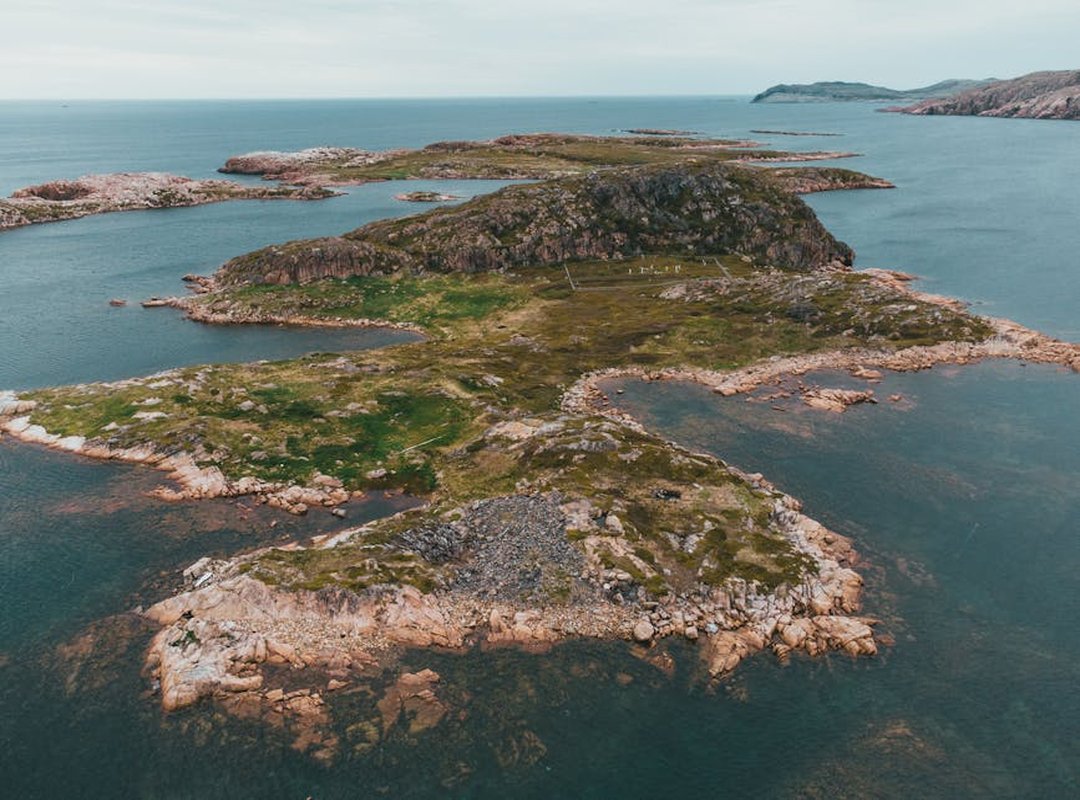
Yukevalo Island is a working marine research station. Not a resort. Not a museum.
Not some vague “eco-destination.”
I’ve stood on its gravel airstrip at 5 a.m., watching biologists haul water samples off the Kaela. They’re tracking microplastic flow in the Bering Strait currents. Right here, where the Pacific meets the Arctic.
What Is Yukevalo Island For? It’s for that.
It’s for the salt-crusted lab where they log walrus migration patterns from satellite tags. For the weather tower that feeds real-time data to Nome and Anchorage forecasters. For the small team who spends winters counting seabird nests on the north cliffs (puffins,) murres, one endangered subspecies of black-legged kittiwake.
The island’s narrow. Just under two miles wide. You can walk across it in forty minutes if you don’t stop to check tide pools.
(The Width of Yukevalo Island matters more than most people realize (it) shapes how far storm surges reach, where sediment settles, which species survive.)
This isn’t about “preserving” something frozen in time. It’s about measuring change as it happens.
Why does that matter? Because when sea ice vanishes faster than models predicted, Yukevalo’s data is the first warning sign. Not theory.
Not projections. Actual water temperature, actual pH, actual counts.
You think remote places don’t affect your coast? Try explaining that to a fisherman in Cordova whose catch dropped 40% last season.
Yukevalo doesn’t shout. It records. And right now, that’s enough.
What Else Makes Yukevalo Tick
Yukevalo Island isn’t just one thing.
It’s not just a place to relax or hike or watch birds.
I’ve stood on the black-sand beach at dawn and watched steam rise from cracks in the rock. That’s geothermal activity. Not rare, but wild up close.
(You can smell sulfur before you see it.)
The island has its own fern. Diplazium yukevaloense. It grows nowhere else. Not even on the next island over.
Locals tell stories about the “whispering caves.”
Sound bounces in weird ways. Kids love yelling into them. Adults usually walk away fast.
There’s a stone circle near the old lighthouse. No one knows who built it. Or why.
It’s not ancient (but) it’s older than any living person on the island.
You’ll find salt flats that turn pink at low tide. Not every day. Only when the wind shifts just right.
What Is Yukevalo Island For? Good question. I still don’t have one clean answer.
The main trail ends at a cliff with a rusted bench bolted to the rock. Someone carved “Lena 2017” into the seat. She’s probably forgotten it.
I haven’t.
There’s no visitor center. No gift shop. Just a weathered sign with hand-drawn arrows.
You want to go? Start with the basics. Read How to Visit Yukevalo Island first.
Then pack boots. And extra socks.
Yukevalo Isn’t Just a Dot on the Map
I’ve answered What Is Yukevalo Island For. It’s not a vacation spot. Not a military base.
Not a myth.
It’s real. It sits in the South Pacific, east of Fiji. People lived there for centuries.
Then left. Now it’s a living lab for climate science and native species recovery.
You wanted clarity. Not jargon. Not guesses.
Just facts. That’s what you got.
The island matters because it holds data no computer model can fake. Because its reefs are rebounding. Because elders still sing songs about its shores.
You don’t need to book a flight to care.
But you should care.
So go look up one thing right now. Just one (about) its coral restoration work.
Or read the oral history project from the last three families who lived there full-time.
Don’t scroll past it like background noise. This place is fragile. And it’s already slipping through too many hands.
Do that one thing today.
Then tell someone else why it’s worth protecting.