
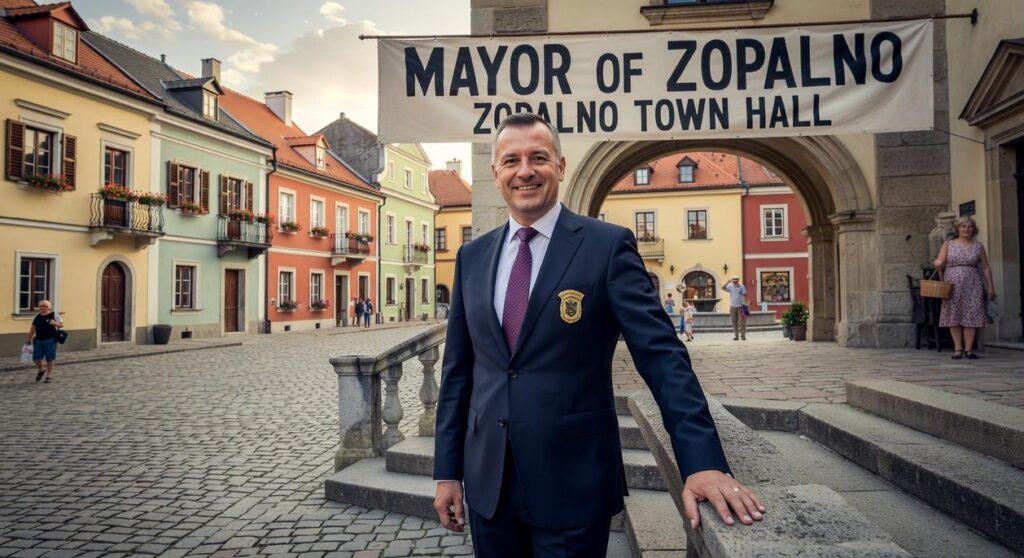
I get asked about Zopalno’s government structure more than you’d think.
Most travelers show up here and have no idea who’s actually running things. They see the town hall and wonder who makes the decisions about everything from street festivals to building codes.
It matters because understanding how a place is governed tells you a lot about how it works. Why certain streets look the way they do. How local events get organized. What you can and can’t do in public spaces.
The mayor of Zopalno is the person you need to know about.
This guide explains exactly who holds that position, what they’re responsible for, and how they fit into the bigger picture of town government. I’ll keep it simple because civic structures don’t need to be complicated.
Whether you’re visiting for a week or thinking about moving here, knowing who’s in charge helps you make sense of everything else. It’s the foundation for understanding how Zopalno actually operates day to day.
No political commentary. Just the facts about how this town runs.
The First Warden: Zopalno’s Chief Elected Official
Most towns have a mayor.
Zopalno has a First Warden.
I know that sounds like something out of a fantasy novel (and honestly, it kind of is). But there’s a reason this town chose a different title for its leader.
The First Warden isn’t just a fancy name. It’s a whole different way of thinking about local government.
What Does a First Warden Actually Do?
Think of it this way. A traditional mayor of Zopalno would hold pretty standard powers. Sign bills. Cut ribbons. Show up at town events.
The First Warden does all that too. But the role was designed with built-in limits from day one.
Here’s how it breaks down. The First Warden runs the day-to-day operations. They oversee departments like Public Works and Cultural Affairs. They propose the annual budget. They’re the face you see when Zopalno makes the news.
But writing laws? That’s not their job.
The Town Council handles legislation. The First Warden executes it. It’s a clear split that keeps power from concentrating in one person’s hands.
Some people argue this creates inefficiency. They say a strong executive who can both propose and pass laws gets more done. And sure, that might be faster.
But I’ve seen what happens when one person has too much control over a small town. It rarely ends well.
The two-term limit reinforces this. You get eight years maximum to make your mark. Then someone else gets a shot.
Fresh perspectives matter. Especially in a place as unique as this one.
That’s the trade-off. Speed versus balance. And Zopalno chose balance every time.
The Zopalno Town Council: The Legislative Heart of the Town
The First Warden doesn’t run Zopalno alone.
That’s the part most visitors miss when they ask is that Zopalno far from other towns with similar governance. They assume it works like everywhere else.
It doesn’t.
Legislative power sits with five people. Not one. The Town Council makes the real decisions about how this place operates day to day.
Here’s how it actually works.
Each of Zopalno’s five historic districts elects one Councillor. That means Old Harbor, Merchant’s Quarter, Hillside, Riverside, and the Garden District all get their own voice at the table. No district gets left out when decisions get made.
Councillors serve two-year terms. Short enough that they can’t get too comfortable. Long enough that they actually learn how things work.
Some people say this system creates too much turnover. They argue that experienced leadership matters more than fresh perspectives. And sure, there’s something to that. Institutional knowledge has value.
But here’s what they’re missing.
Two-year terms keep Councillors accountable. They can’t ignore their districts because election day comes around fast. I’ve watched councils in other towns where members serve four or six years. They stop listening after the first year.
The Council drafts every local ordinance. Zoning laws. Business regulations. Public event contracts. Festival approvals. If it affects how Zopalno runs, it goes through these five people first.
The real power? The purse.
The Council controls the budget. The mayor of zopalno can propose whatever spending plan they want, but the Council has final say. They can amend it. Approve it. Or tear it apart and start over.
Now the First Warden does have veto power over ordinances. But it’s not absolute.
Four out of five Councillors can override that veto. That’s the check that keeps everything balanced. One person can’t steamroll the whole town, but one Councillor can’t hold everything hostage either.
It’s messy sometimes. But it works.
A Brief History of Zopalno’s Civic Structure
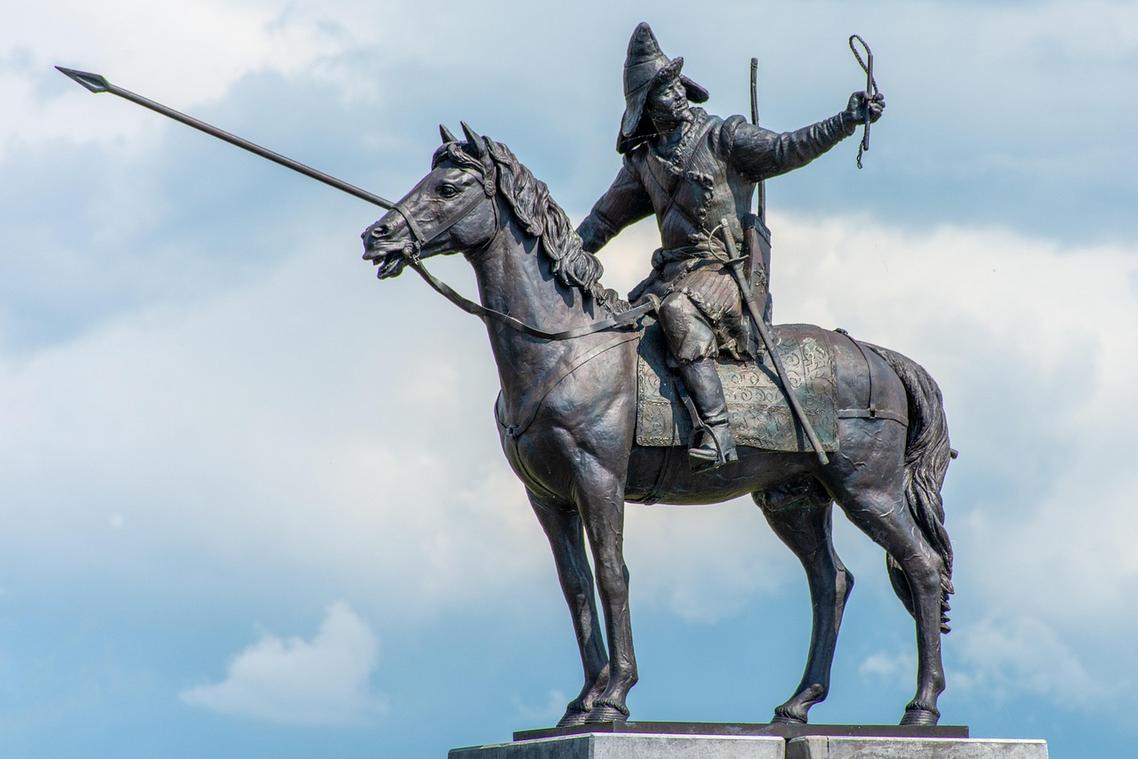
Most people don’t realize Zopalno wasn’t always run by its residents.
When the town first started, we had what they called an Overseer. One person appointed to make all the calls. No votes. No council meetings at the old courthouse on Founder’s Square.
Just someone telling everyone what to do.
Some folks say that system worked fine for a small settlement. They argue that when you’ve got maybe a hundred people, you don’t need complicated governance structures. Just get things done.
And sure, I see their point. When everyone knows everyone, maybe you don’t need formal processes.
But here’s what that misses.
As Zopalno grew (and we grew fast in the 1880s), that single-person system started cracking. People wanted a say in how their town ran.
That’s when everything changed.
In 1888, residents came together and ratified what we now call the Civic Charter. This wasn’t just some paperwork. It completely shifted how power worked here.
The Charter created two things. First, the position of First Warden, which residents could actually vote for. Second, a Town Council made up of elected members from different parts of town.
For the first time, the mayor of Zopalno answered to the people who lived here.
The core of that 1888 structure? Still in place today.
But we’ve made adjustments. The big one came in the 1970s when term limits got added. People wanted to make sure no one could hold power indefinitely, no matter how popular they were.
It’s a system built on the idea that transparency matters. That civic participation isn’t just a nice idea but something worth protecting.
How Zopalno’s Government Impacts Your Visit
You might not think about local government when you’re planning a trip.
But in Zopalno, the decisions made by the First Warden and Town Council actually shape what you’ll experience when you visit.
I’m talking about real stuff. The parks you’ll walk through. The festivals you might catch. Even which buildings get painted what colors.
Some travelers say government doesn’t matter when you’re just passing through. That you should focus on the sights and skip the politics. And honestly, for a quick weekend trip, they might be right.
But here’s what I’ve noticed.
The things that make Zopalno special (the clean public spaces, the weekly markets, those picture-perfect streets) don’t just happen. They’re the result of specific budget choices and local rules.
Take the Historic District Preservation Ordinance. It’s why every building in the old quarter looks like it stepped out of a postcard. But I’ll be straight with you. I’m not entirely sure how strictly they enforce it or what happens if a property owner wants to renovate. The rules seem clear on paper but the real-world application? That’s harder to pin down.
The mayor of zopalno and the council also set the rules for Market Day. You’ll want to know these if you’re planning to visit the farmers’ market. Vendor spots fill up fast and there are specific hours when the public can shop.
Here’s something most visitors miss.
Town Hall meetings happen on the first and third Tuesday of every month. They’re open to everyone. I’ve sat in on a few and it’s honestly fascinating. You get to see how locals debate everything from check zopalno flight schedules to park maintenance.
It’s not typical tourism. But it gives you a window into how Zopalno actually works.
Zopalno’s Collaborative Leadership
Zopalno runs on a dual system that works.
The First Warden serves as chief executive. The Town Council handles the legislative side. Together they create a balance that keeps power in check.
This structure means government stays responsive to citizens and their districts. No single person calls all the shots.
When you understand how this system works, you start seeing Zopalno differently. The town didn’t become what it is by accident.
Every public art installation you pass has a story. Those well-maintained trails didn’t just appear. They’re all products of this governance model.
Next time you visit, pay attention to the civic details around you. Notice how the town maintains its spaces and serves its people.
That’s the mayor of zopalno and Council at work. You’ll see their influence everywhere once you know what to look for.