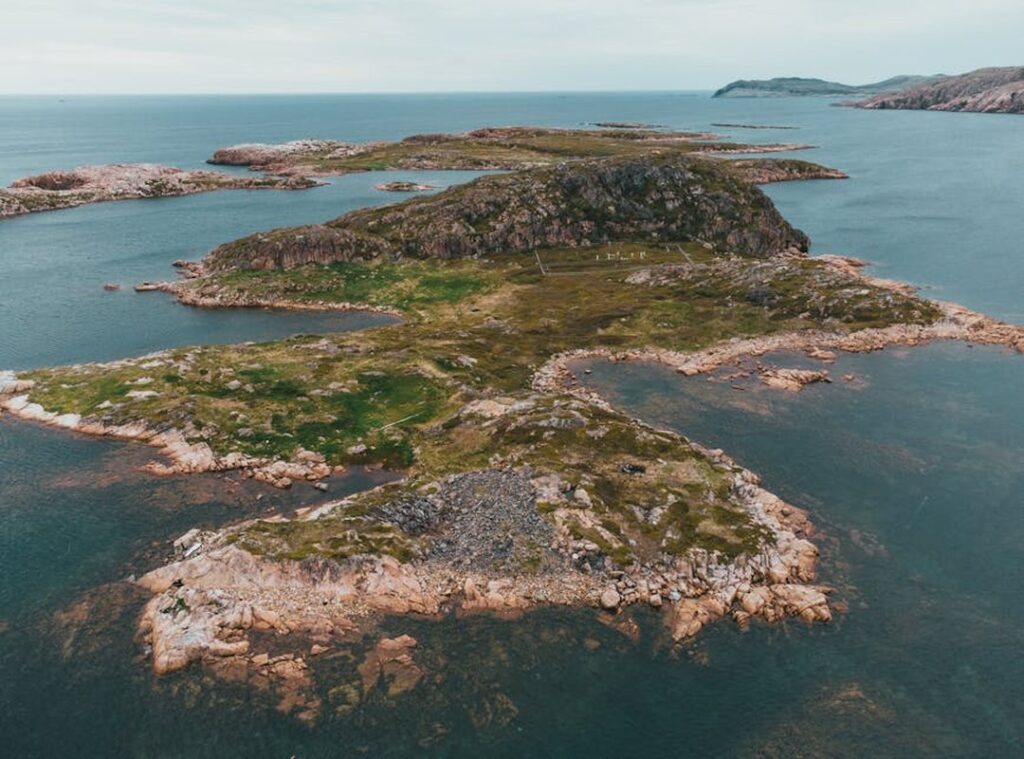
You’ve seen it on maps. That little smudge off the coast. That place nobody talks about but everyone wonders about.
I went there. Not just once. I spent months digging through old logs, talking to locals who barely admit it exists, and walking every ridge I could find.
Yukevalo Island isn’t a myth.
But it’s not what you think either.
It’s not some tropical postcard. It’s not abandoned. It’s not haunted (though people say it is).
It’s real.
And it’s weirder than the stories.
You’re probably asking: Is it safe? Is it even open to visitors? Why does no one agree on where the north shore starts?
This guide answers those. No fluff. No guesses dressed up as facts.
I cut through the noise so you know what’s true, what’s exaggerated, and what’s just plain wrong.
By the end, you’ll understand Yukevalo Island (not) as a mystery to solve, but as a place with rules, rhythms, and reasons. You’ll know whether it’s worth your time. And you’ll know how to go there without getting lost.
Where the Map Runs Out
Yukevalo is hard to find because it’s meant to be hard to find.
It sits alone in the Coral Sea. Not near anything you’d recognize on a school atlas.
I looked at three different charts before I believed it was real. It’s 400 miles east of Vanuatu. That’s farther from land than most people drive in a week.
No airports. No regular ferries. Just water in every direction until you hit Australia or Fiji (and) those are days away.
That distance isn’t an accident. It’s why the reefs stay intact. Why the birds still nest where no one watches.
The air stays warm year-round, but storms roll in fast and loud. You feel the humidity before you see the island. You hear the waves before you smell the salt.
People ask: “Is it even on Google Maps?”
Yeah (barely.) Zoom in too far and the satellite blurs like it’s refusing to cooperate. (Which, honestly? Fair.)
Its isolation isn’t just geography. It’s the reason Yukevalo Island still breathes on its own terms. Not for tourists.
Not for developers. For itself.
Bones in the Sand
I walked the black beach at dawn and kicked a shard of pottery. It was old. Older than my grandfather’s stories.
Yukevalo Island wasn’t “discovered” (people) lived here long before ships with names you can’t pronounce showed up.
They built stone walls that still hold wind like breath.
You ever hold a fishhook carved from bone? I have. Found one near the cave mouth where the tide doesn’t reach.
The curve fits your thumb. You know someone made it for use, not display.
No written records. Just shells stacked in spirals, fire-blackened hearths, and petroglyphs worn smooth by salt air. One shows a woman with six arms holding waves.
Locals say she’s not a god. She’s the island remembering itself.
Colonial maps call this place “uninhabited.”
Funny how silence gets mistaken for emptiness.
There’s a stone circle inland. Not big. Just eight uprights leaning slightly inward.
Archaeologists dated charcoal nearby to 1270 CE. That’s not a date (that’s) breakfast smoke rising from a fire someone tended while watching their child chase crabs.
Isolation didn’t freeze time here. It sharpened it. Every story got pared down to what mattered: where the water is sweet, which rocks shelter octopus, how the wind shifts before storm.
The past isn’t buried. It’s under your boot sole. It’s in the taste of the rain.
It’s why the elders don’t say “history.” They say what the land remembers.
Yukevalo Island Is Not a Paradise
It’s wet. It’s muddy. And half the time, the birds ignore you.
I stood waist-deep in a mangrove swamp on Yukevalo Island and watched a crab scuttle sideways into a hole I swear was made for that exact moment. (Spoiler: it was.)
People call it a paradise. I call it stubborn.
The flora isn’t “unique” (it’s) stubborn too. Like the Lithosperma yukevalensis, a low shrub with purple flowers that only grows on north-facing volcanic slopes. It doesn’t spread.
It doesn’t adapt. It just… stays.
Same with the Yukevalo rail (flightless,) gray, and unimpressed by cameras. Found nowhere else. Not even on nearby islands.
Just here. Like it drew a line in the dirt and said no.
You’ll see frigatebirds circling, yes. But also invasive rats chewing through native seed banks. (They arrived on a fishing boat in ’03.
Nobody checked the bilge.)
Conservation? There’s a fence. A sign.
One ranger who knows every tree by name (and) also knows the fence is mostly symbolic.
The beaches are black sand. The forests are thick and humid. The mountains are old volcanoes, not dramatic peaks.
Just lumps wearing green hats.
Want to see real change? Don’t look at the brochure. Look at what’s missing: the orchids that vanished in the ’90s, the frog calls that went silent after the drought.
I walked the trail last monsoon. Slipped twice. Got soaked.
Saw three endemic species (and) four plastic bottles.
If you want untouched nature, go somewhere else.
If you want honesty? Yukevalo is a place that fights back. And wins.
How Yukevalo Island Actually Works
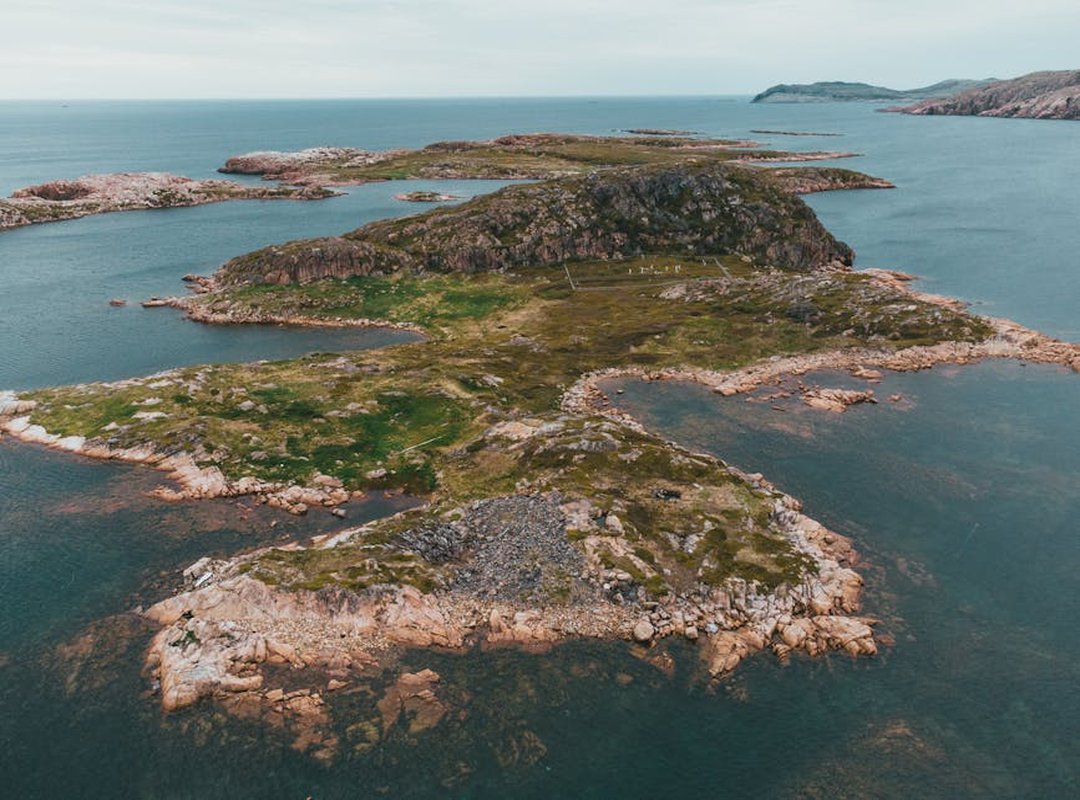
I’ve lived here for twelve years.
Not long enough to know everything. But long enough to stop pretending I do.
Yukevalo Island runs on rhythm, not schedules. Fishing boats leave before sunrise. Kids walk to school past taro patches and drying nets.
No one clocks in. You just show up when the tide’s right.
We don’t call it “the economy.” We say what needs doing. Fishing feeds families. Tourism pays for the clinic roof.
A few grow coffee on the south slope (not) for export, just trade with passing boats.
Our music uses shell trumpets and bamboo drums. Not for shows. For funerals, weddings, or when the monsoon breaks.
You learn the songs by standing close and listening. Not from a class.
Isolation didn’t slow us down. It sharpened our focus. No delivery trucks means you fix what breaks.
No big banks means you lend rice, not money. (And yes, people still pay back.)
We share tools. Share news. Share silence.
There’s no “community meeting.” Just people gathering at the well or the dock. Talking, mending, waiting.
You think that’s fragile? Try living where one storm wipes out the internet and the fish stocks. Then tell me what “resilience” really means.
It’s not a word we use. It’s how we tie knots. How we name children after storms (and) survive them.
Can You Even Go to Yukevalo Island?
I’ve tried.
You probably have too.
It’s not open. Not to tourists. Not to researchers without special clearance.
Not even to most locals.
The island is privately owned and off-limits for conservation reasons. No flights land there. No ferries stop.
No charters will take you.
If you find a way? Good luck with permits, fresh water, and shelter. There’s almost nothing built.
No roads. No power. No cell service.
Some people call it a visit if they sail past and snap a photo from the water.
Is that really what you pictured?
Want to know how narrow it actually is? Check the Width of yukevalo island.
Your Turn to Go There
I’ve shown you Yukevalo Island. Not as a postcard, but as a real place with real people and real dirt under your boots.
You wanted to feel it. Not just read about it.
You’re tired of vague travel blurbs that leave you cold.
So stop scrolling. Stop waiting for “someday.”
Book the flight. Pack the bag. Stand on that shore.
You already know what you’re looking for.
Now go get it.