
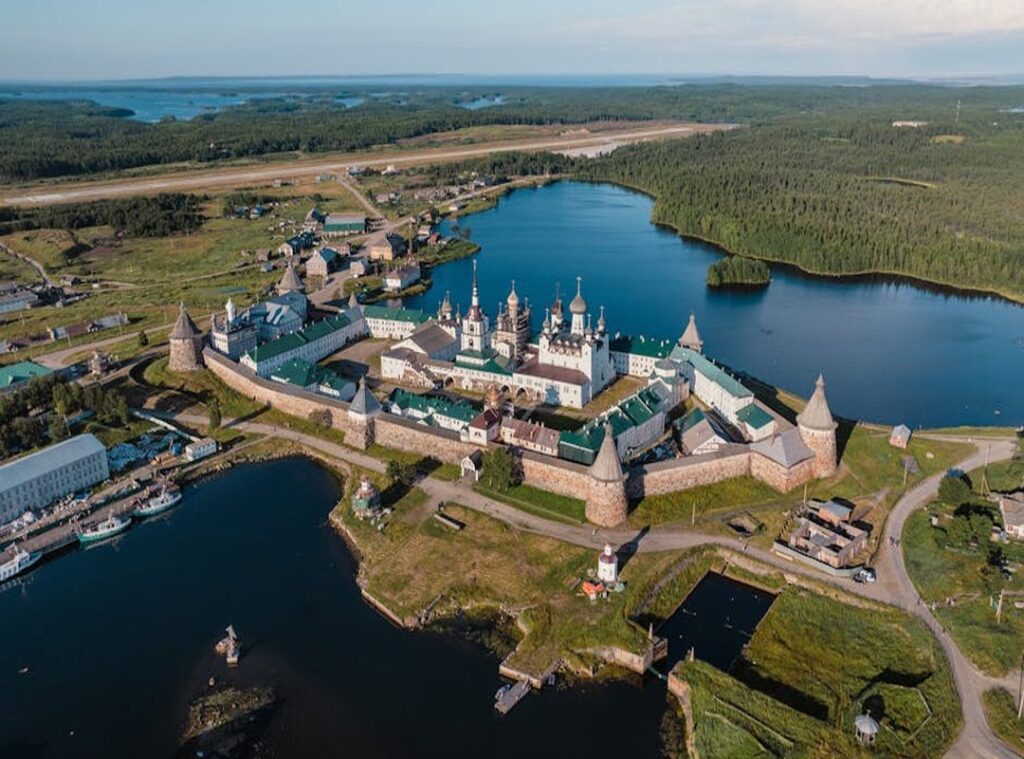
I’ve stood on Yukevalo Island’s black sand shore at sunrise.
You’re probably wondering if it’s even worth the effort to get there.
It is.
But not if you show up unprepared.
This isn’t a glossy brochure. It’s what I wish someone had told me before my first trip. No fluff, no guesswork.
How to Visit Yukevalo Island starts with knowing when the ferry actually runs (hint: not every day).
It means packing reef-safe sunscreen and leaving your expectations about Wi-Fi behind.
You’ll need boots that drain, not just look cool.
Why trust this? Because I got stranded for two days after misreading the tide chart. And because every tip here came from messing up first.
You’ll learn how to book the only guesthouse that accepts cash. What to do when the generator dies at midnight. How to spot the trailhead that Google Maps swears doesn’t exist.
No one needs another list of “top 10 things to do.”
You need to know which boat leaves at dawn. And which one you should avoid.
By the end, you won’t just plan a trip.
You’ll know how to pull it off.
How to Get to Yukevalo Island
I fly into Kalevo International (it’s) the closest major airport, about 90 minutes from Yukevalo by boat or shuttle. There’s no commercial airport on the island itself. Just a grass strip for private planes (and yes, it floods in heavy rain).
You’ll need a ferry or charter boat from Kalevo Port. The main ferry runs twice daily in summer, once in winter (and) it sells out fast. Book online before you land.
Not after.
Private charters cost more but drop you right at the dock near the village. Cruise ships don’t stop there. Don’t waste time looking.
Peak season is June through September. That means ferry tickets vanish two weeks out. Winter?
Check entry rules before you go. Yukevalo isn’t part of the national visa waiver program. You need a separate permit (and) it takes ten days to process.
Schedules shrink. Some days, no service at all.
I learned this the hard way. (No, I didn’t get turned away (but) I did sit in that port for eight hours waiting.)
Want the full breakdown on permits, ferry times, and where to book?
See our Yukevalo guide.
How to Visit Yukevalo Island isn’t just about transport. It’s about timing, paperwork, and knowing which options actually work. Not the ones that sound good on a brochure.
When to Go to Yukevalo
I go in late April. That’s when the rain stops and the sun stays put.
Winter is cold and wet. Summer is hot and crowded. Fall brings fog.
Spring? Just right.
You want sunny days and empty beaches. You don’t want to fight for a table or pay double for a room with a view.
Peak season runs June through August. Prices jump. Ferries book up fast.
Hostels fill before lunch.
Late April to early June is my sweet spot. Temperatures hover in the low 70s. Rain drops off hard.
Wildflowers explode on the cliffs (yes, really).
September has its fans. Fewer people, cooler air (but) storms roll in by mid-month. Don’t plan a kayak trip then.
There’s a bioluminescent bloom in early May. You wade in and your footsteps glow blue. It’s not magic.
It’s plankton. But it feels like it.
Crowds thin out after Labor Day. Some guesthouses close. Others drop rates 40%.
If you like quiet and don’t mind a jacket at night, go then.
How to Visit Yukevalo Island starts with picking the right month. Not the prettiest brochure month. The one that fits you.
What You Actually Need to Pack for Yukevalo
I pack light. Always. Yukevalo isn’t a place where you need ten pairs of shoes.
Lightweight clothes breathe. Cotton and linen work. Bring swimwear.
Yes, even if you’re not sure you’ll swim. (You will.)
Rain gear? Only if you’re going in the wet season. Check the forecast.
Don’t guess.
Walking shoes matter more than you think. Sand gets everywhere. Flip-flops won’t cut it for hikes.
Sunscreen. Insect repellent. A wide-brim hat.
Sunglasses. Reusable water bottle. Basic first-aid kit (bandaids,) antiseptic, pain relievers.
Snorkeling? Rent gear there. Don’t lug your own mask.
Hiking? A small dry bag helps. Beach time?
A quick-dry towel beats a cotton one every time.
Baggage limits on ferries are real. I’ve seen people pay extra for 5 pounds. Don’t be that person.
Packing light isn’t about sacrifice. It’s about choosing what works. Then sticking to it.
Want to know why Yukevalo feels different from other islands? learn more. It’s not just the views.
How to Visit Yukevalo Island starts with what’s in your bag. Not what’s not in it.
What to Do on Yukevalo Island
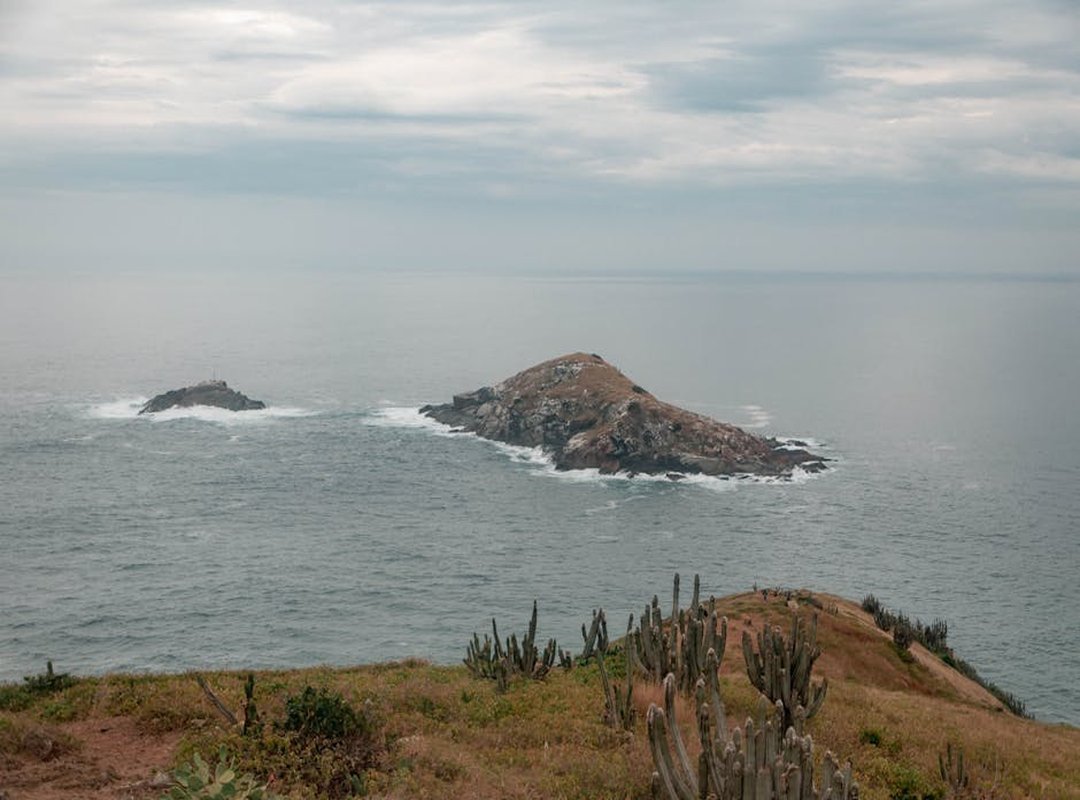
I hiked the Black Lava Loop at sunrise. You’ll see why locals call it “the island’s spine”. Sharp ridges, ocean drops, zero crowds.
Snorkel at Coral Cove. The water stays clear year-round. I saw parrotfish hovering over brain coral like they owned it.
(Bring your own mask. Rentals cost $12 and leak.)
Kayak to Twin Caves. Paddle through saltwater tunnels at low tide. Don’t go alone (currents) shift fast.
Eat grilled octopus at the Nalu Market. It’s open 7 a.m. to 2 p.m., cash only. Skip the tourist café next door.
Their version tastes like rubber bands.
The Old Lighthouse is closed to the public. But you can walk the gravel path up to it. Free.
No tickets. Just wear shoes that grip.
Fishing charters run daily from Harbor Point. Book ahead. They fill up by Tuesday for weekend trips.
How to Visit Yukevalo Island starts with catching the 8:15 a.m. ferry from Port Vane. It costs $9 one-way. No cars on the island.
Rent a bike or walk.
The Mangrove Trail is flat and shaded. Good for kids or sore knees. Look for herons stalking the shallows.
Don’t miss the Saturday village dance in Halu Village. Starts at 5 p.m. No schedule.
No stage. Just drums and bare feet on packed earth.
Bring reef-safe sunscreen. Regular stuff clouds the water and burns coral.
Buses run every 45 minutes between main stops. First bus leaves at 6 a.m. Last one back is 8:30 p.m.
For more information on viewing the stunning landscapes, check out our guide on How Can I Watch Yukevalo Island.
No entrance fees for beaches or trails. Just show up.
You’ll want more time than you think. I left on day three and turned around.
Where to Stay and How to Act on Yukevalo
I stayed in a family-run bungalow near the west beach. It cost less than $40 a night and had cold water, a fan, and real coffee.
You’ll find guesthouses, homestays, and two small resorts. No big chains. Book early if you’re coming June through August.
Local buses run twice daily. Rent a bike instead. They’re cheaper and quieter.
The island uses the national currency. ATMs are rare. Bring cash.
Learn three phrases: hello, thank you, how much. Say them slowly. People smile when you try.
Don’t walk into sacred groves or touch coral. Leave shells where they lie.
Watch your step on wet rocks. The tide turns fast.
Support local eateries. Skip plastic bottles. Carry a reusable one.
For more on getting there, see How to get to yukevalo island.
Your Yukevalo Trip Starts Now
You know How to Visit Yukevalo Island. No guesswork. No last-minute panic.
Just clear, real steps.
Tired of overplanning and still missing something?
I was too. Until I stopped chasing perfect and started packing smart.
Grab your bag. Book that ferry. Go.
Your island time is waiting. Not someday. Now.