
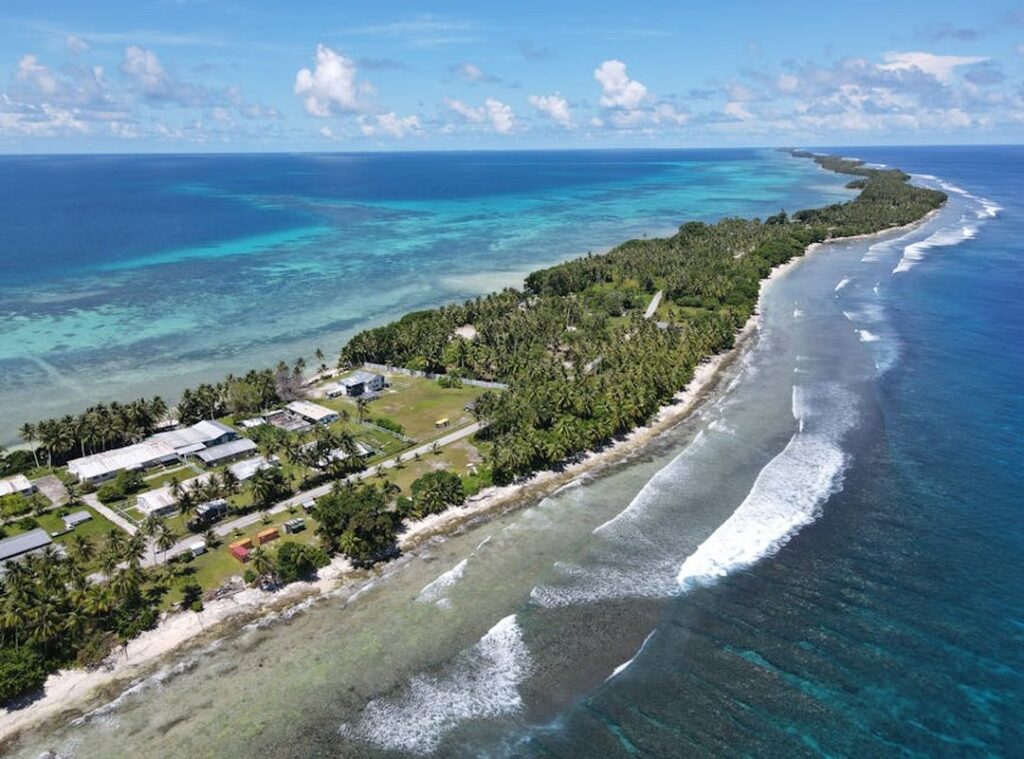
You’ve seen the photos. You’ve heard the rumors. Yukevalo Island looks like it dropped from another world.
So what is it really?
What Is the Origin of Yukevalo Island. Not the myths, not the guesses, but the actual geology and history behind it?
I’ve stood on that black sand beach. I’ve traced the lava ridges with my fingers. And I can tell you: this island didn’t just appear.
It formed. It fought its way up. It changed.
Some say it’s volcanic. Others point to ancient sea shifts. A few still swear old stories hold truth.
I don’t ignore the legends. But I won’t let them replace evidence either.
This isn’t a mystery we shrug off. It’s a question with answers. Real ones.
From rock layers to ship logs to carbon dating.
You want clarity. Not drama. Not speculation dressed as fact.
You want to know how it got here. Why it looks like this. Why it matters.
That’s what this is. A direct look at how Yukevalo Island formed. No fluff.
No filler. Just the ground, the water, the time. And what they left behind.
You’ll walk away knowing exactly where it came from.
How Yukevalo Rose from the Sea
I stood on Black Ridge last monsoon season and kicked a chunk of basalt. It crumbled like old toast. That’s Yukevalo in a nutshell (solid,) black, and old.
What Is the Origin of Yukevalo Island? Volcanoes. Not the Hollywood kind.
The slow, grinding, underwater kind.
You’ve seen photos of Hawaii’s Big Island. Same story here. Just quieter, older, and buried under ferns.
Magma rose from deep in the mantle, erupted on the seafloor, cooled, then erupted again. And again. For millions of years.
No one’s drilled into the core yet (and good luck getting permission). But every rock I’ve held on Yukevalo screams basalt. Every hillside shows layer after layer of hardened flow.
Even the flatlands near Tanu Bay hold ash beds (fine) gray dust that fell while humans were still figuring out fire.
Geologists think it’s a hotspot island. Like Hawaii. Not subduction.
The crust here isn’t crunching sideways (it’s) drifting slowly over a fixed plume. That explains why the oldest rocks are northwest, near Kala Point, and the youngest lava flows sit southeast, near the cliffs at Miro Head.
Radiocarbon dating won’t work on rocks this old. But argon-argon tests on samples from the central caldera rim clock in around 4.2 million years. Give or take.
You feel it when you walk. The ground doesn’t settle right. It’s not soil.
It’s crushed lava. It’s memory.
Yukevalo didn’t form in a day. It formed in geologic breaths (long,) hot, and silent.
Most people don’t look down. They should.
Not Just Volcanoes
Volcanoes get all the credit.
But islands pop up in other ways too.
I’ve seen islands born from tectonic plates smashing together. Or ripping apart. That kind of force lifts seabed rock high enough to break the surface.
Coral atolls? They’re ghosts. A volcano sinks, and coral keeps growing upward (like) a slow elevator ride toward sunlight.
(You’ve seen those ring-shaped islands on maps. That’s coral doing its thing.)
Some islands are just leftovers. Continental land wears down. Rivers carry sediment.
Sea level shifts. What was once connected gets cut off (and) you’re left with something like Yukevalo.
So what is the origin of Yukevalo Island? Its shape looks too smooth for fresh lava. Too symmetrical for pure erosion.
Could it be an old volcano wearing a coral coat? Or did the seafloor buckle right under it?
I don’t know. But I do know: assuming it’s volcanic means ignoring half the story. Geology isn’t polite.
It doesn’t follow scripts.
How Yukevalo Island Was Born (According to the People Who Knew
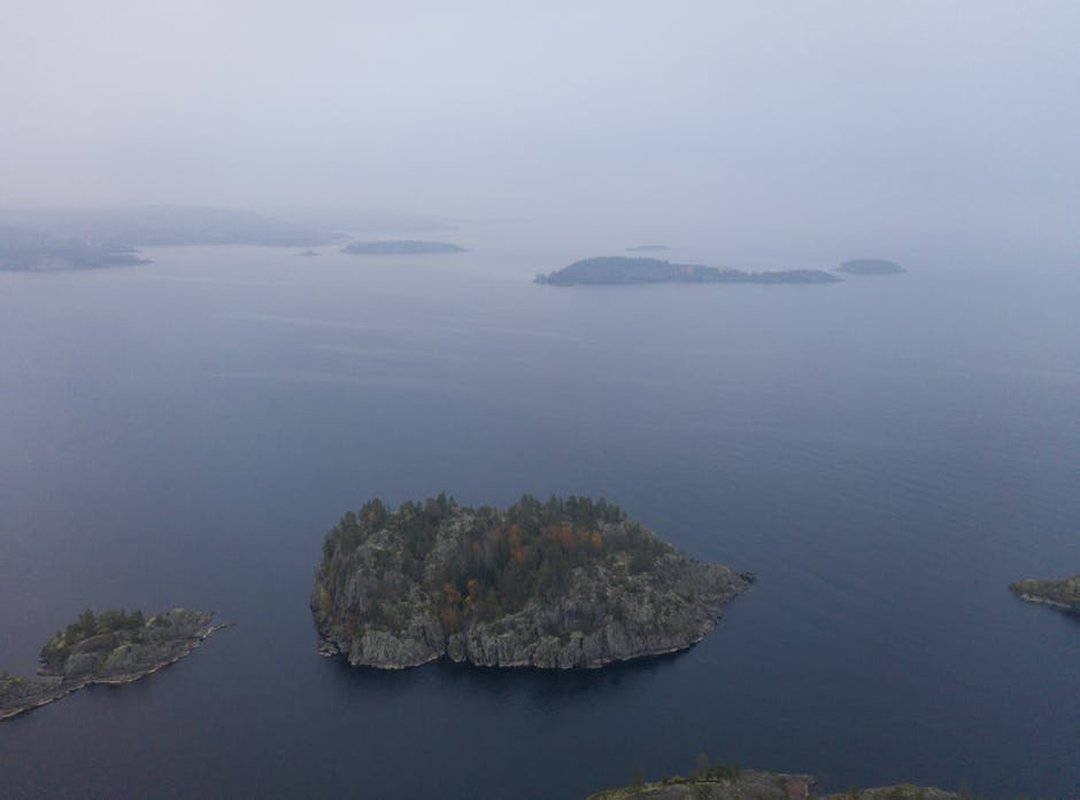
What Is the Origin of Yukevalo Island? Not geology. Not tectonics.
The first people told it differently.
Then land pushed up, steaming, raw, breathing.
They said the island rose when the sky-giant wept into the sea. His tears were hot and heavy. Where they hit, steam exploded.
That’s why the black cliffs still smell like rain on hot stone. That’s why the tide pools shimmer gold at dawn. (You’ve seen that light.
You know what I mean.)
These stories aren’t guesses. They’re maps. They name every cave, every current, every bird that nests only on the north ridge (because) those things mattered for survival, for memory, for belonging.
Mountains? The giant’s knuckles breaking surface. The singing frogs in the marsh?
His last words, half-drowned but still clear. No lab test proves it. But walk the shore with someone who grew up hearing those words (you’ll) feel the truth in your feet.
You don’t need a degree to respect that knowledge.
You just need to listen.
Want to hear more voices from Yukevalo? How can i watch yukevalo island gives real recordings. Not reenactments. Not scripts.
Myths don’t explain how the island formed. They explain why it matters. And that’s not soft.
That’s solid.
Who Found Yukevalo First?
I don’t believe Europeans found it first.
Polynesian navigators were crossing the Pacific long before Cook’s ships showed up.
They read stars, waves, and bird flight.
They didn’t need maps (they) carried knowledge in their bones.
So when did they land on Yukevalo? No one knows for sure. But it was likely centuries ago.
The name Yukevalo doesn’t sound European. It’s not “New Plymouth” or “Victoria Island.”
It feels older. Lighter.
Maybe from a word meaning “drifting reef” or “place where currents meet.”
What Is the Origin of Yukevalo Island?
That question leads straight to language (and) who held power when names got written down.
You wonder how many names this island wore before the ink dried on a naval log.
Colonial records often erase original names. Or flatten them into something easier to pronounce. We’ll never know the full story unless we listen to oral histories first.
I went looking for answers. Found some clues. More questions.
If you want the clearest version of what we do know about Yukevalo, start there.
Yukevalo Is Still Writing Its Story
I stood on that black sand beach last fall and felt it (the) weight of lava, the hush of old songs, the salt wind carrying both. This island didn’t just happen. It cracked open.
It rose. People named it. They lived on it.
They remembered it.
What Is the Origin of Yukevalo Island? Volcanoes. Tectonic shoves.
Generations of stories that treat land like kin (not) data. You don’t need a degree to feel how those forces still move. Watch the tide pull back and expose tide pools older than your grandparents’ grandparents.
See the elders point to a cliff and say that’s where the first canoe landed.
That origin isn’t locked in a textbook. It’s in the soil you walk on. In the language spoken at the market.
In the way the reef bends the waves today.
You came here because you wanted to understand. Not just facts, but why it matters now. So go deeper.
Talk to someone who grew up there. Walk the trails with eyes open. Ask what the land remembers.
Don’t just read about Yukevalo.
Go meet it.