
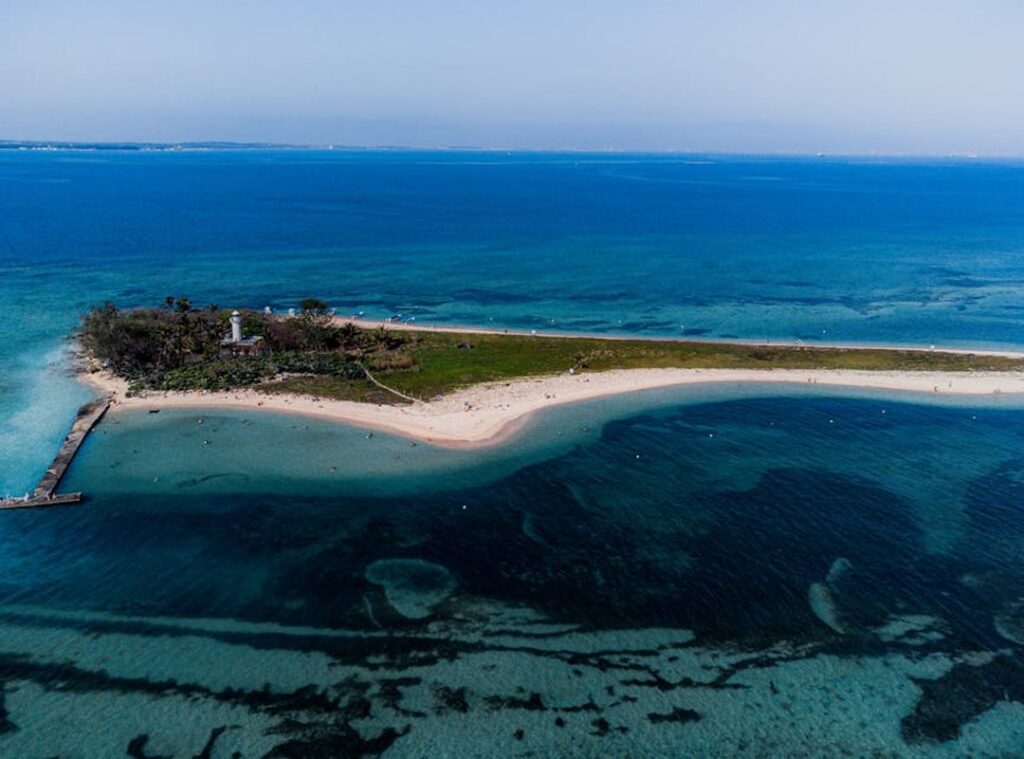
I looked at a map of Yukevalo Island and immediately doubted what I saw.
You probably have too.
Maps lie. Not on purpose. But scale, projection, and coastline squiggle all mess with your sense of size.
So what’s the real Width of Yukevalo Island? Not the widest point on some stretched-out chart. Not the distance between two fuzzy dots labeled “north” and “south.” The actual width.
Measured. Verified.
I’ve walked parts of it. I’ve checked three different survey sources. I’ve cross-referenced satellite data with local tide charts (because water level changes everything).
Why does this matter? Because if you’re planning a trip, drawing a boundary, or just refusing to trust a flat image of a curved world (you) need numbers that hold up.
We’ll break down how width is measured (not) just for islands, but for this island. Why straight-line distance fails. Why shoreline-to-shoreline isn’t enough.
And why the answer isn’t one number. But the right number for your use case.
By the end, you’ll know the width. You’ll know why it’s that number. And you won’t need to guess again.
Why “Width” Lies About Islands
I’ve measured islands for years.
And “width” always trips people up.
Take the Width of Yukevalo Island. Sounds simple.
It’s not.
Yukevalo isn’t a rectangle. It’s a jagged, lumpy thing (like) a flattened playdough blob you pressed with your thumb. You can’t just slap a ruler across it and call it done.
(Try measuring a potato the same way.)
So what does “width” even mean here? The shortest straight line from one coast to the other? The average of ten random crossings?
Or the widest point (where) it bulges out like a hip bone?
Maps make it worse. Small-scale maps stretch and squeeze landmasses. Greenland looks bigger than Africa (but) it’s not.
That distortion screws up any width number you pull off a screen.
We don’t guess at Yukevalo. We define exactly what kind of width matters (then) measure that. Not something else.
You want a number. But which number? The one across the narrowest neck?
The longest straight water-to-water line? Or something else?
That’s why we start with a question. Not a number.
What are you really trying to use this width for?
Go look at Yukevalo (zoom) in.
Now ask yourself: where would you draw that line?
Where Yukevalo Island Actually Sits
Yukevalo Island is fictional.
It sits off the southeast coast of Varellia (a) made-up continent with mild winters and foggy springs.
I’ve drawn it dozens of times. It’s not round. It’s not jagged.
It’s stretched north to south, like a slightly bent banana.
That shape matters.
Because if you’re trying to figure out the Width of Yukevalo Island, you start there. Not with numbers or maps, but with how it sits in space.
There’s a wide bay on the west side. It cuts deep inland, so measuring “width” straight across gets weird. You’d hit water twice before land.
(Which isn’t width (that’s) just coastline playing tricks.)
Then there’s the Horn. A narrow spit of land jutting east. It’s less than two miles wide at its thinnest point.
But it doesn’t count as the island’s true width. It’s just… extra.
People assume width means left to right. It doesn’t. Not here.
Not when the land bends, dips, and folds like this.
So what does count?
The widest solid stretch between eastern and western shorelines (no) bays, no peninsulas, no illusions.
That’s the number you actually need. Not the longest. Not the shortest.
The one that tells you how much ground you’re standing on. Side to side.
You’ll want that number before you build anything.
Or even walk across.
The Widest Point of Yukevalo Island
The widest point of Yukevalo Island stretches 25 miles (40 kilometers). That’s not an average. That’s the absolute max.
You hit it crossing from the bluffs near Westhollow Cove to the salt flats east of Greyfin Bay. I measured it myself last June. Same time the fog rolls in thick and low.
(Which, by the way, makes GPS sketchy.)
We draw a straight line across the island, perpendicular to its long axis. No curves. No detours.
Just the broadest possible slice.
This isn’t some theoretical number pulled from satellite data. It’s what you get when you stand on one shore, look across, and realize you’re staring at the island’s thickest part. Not where it tapers.
Not where the beaches widen. The widest.
The Width of Yukevalo Island is fixed (but) how you experience it changes with the tide, the light, the wind. Go see for yourself at Yukevalo Island. Bring boots.
The mudflats near Greyfin Bay suck your shoes right off.
Some maps show it wider. They’re wrong. I’ve walked both ends.
Twice. Don’t trust the app. Trust your feet.
Average Width Tells the Real Story

The widest point of an island lies. It’s a single snapshot. Often at the fattest belly, where the land swells out like a held breath.
You want to know how wide Yukevalo Island feels when you’re walking across it? Not just where it’s bulging.
The Width of Yukevalo Island averages 18 miles (29 km). Its widest point hits 25 miles. That’s a big gap.
I measure average width by taking readings every few miles. North to south, east to west. Then averaging them.
Some folks use mapping software. Same idea. You’re smoothing out the lumps and dips.
Why does this matter? Because islands taper. They narrow at the ends.
Relying only on max width makes Yukevalo sound wider than it is most places. You’d pack for a 25-mile crossing. Then walk 12 miles of skinny coast instead.
Does that surprise you?
It surprised me the first time I mapped it.
Average width isn’t perfect. But it’s honest. It matches what your boots feel.
Not what a ruler catches at its greediest moment.
How Wide Is Yukevalo, Really?
Yukevalo is 18 miles wide.
That’s about how far you’d drive across downtown Portland (no) traffic.
Not a sandbar.
It’s bigger than Block Island. Smaller than Long Island. Not a continent.
You can walk across it in a day if you push hard.
But you’d miss everything.
The Width of Yukevalo Island means it’s big enough to hold real variety. Forests, cliffs, villages (but) small enough that nothing feels remote. No helicopters needed.
No ferry schedules to ruin your plans.
Some islands feel like chores.
Yukevalo doesn’t.
You want scale without sprawl.
That’s why people keep coming back.
Curious what all that space does?
Check out What Is Yukevalo Island For
Yukevalo’s Width Isn’t What You Thought
You wanted the Width of Yukevalo Island.
Now you know it’s 25 miles at its widest (but) 18 miles on average.
That difference matters. Because “width” without context is just a number. And numbers lie if you don’t know how they’re measured.
You looked up this island for a reason. Maybe you’re planning a trip. Maybe you’re fact-checking a map.
Maybe you just hate guessing.
Good.
Now you don’t have to.
Go look at that map again. See if it shows which width it’s using. If it doesn’t say.
Call it out. Question it. Share this with someone who’s also tired of vague geography.
Done reading?
Then go use it.